
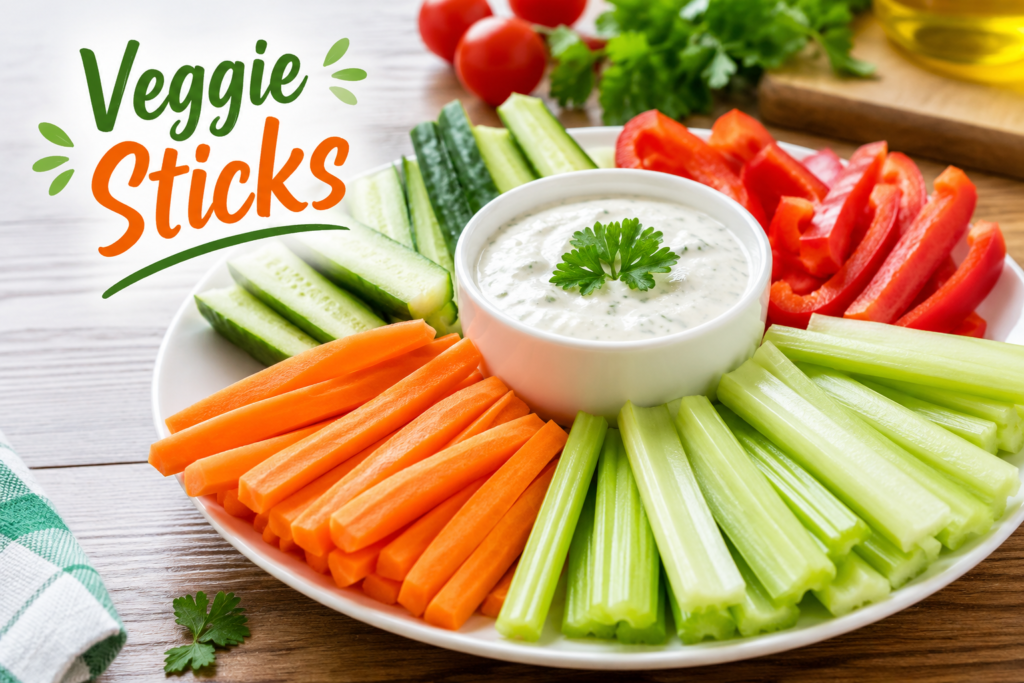
Crunchy veggie sticks served with healthy dipping sauces.
Choosing a snack should feel simple, but grocery store shelves tell a different story. Colorful bags labeled as vegetable-based snacks often promise better nutrition than regular chips. Are they really healthier, or is the packaging doing most of the work?
If you’ve ever reached for veggie sticks thinking they were packed with vegetables, you’re not alone. This guide explains what they are, how they’re made, their nutritional value, healthier alternatives, and how to choose the best option for your lifestyle.
What Are Veggie Sticks?
Veggie sticks are crunchy snack sticks that resemble french fries or thin chips. While they often feature vegetables like spinach, tomatoes, or potatoes on the package, they’re usually made from a blend of starches such as potato starch, corn starch, or rice flour.
Many brands include small amounts of vegetable powders for color and flavor rather than using whole vegetables as the main ingredient.
Common Ingredients
| Ingredient | Purpose |
|---|---|
| Potato starch | Creates crisp texture |
| Corn starch | Adds structure |
| Rice flour | Makes snack lighter |
| Vegetable powder | Color and mild flavor |
| Vegetable oil | Frying or baking |
| Salt | Flavor |
| Seasonings | Taste enhancement |
The exact recipe varies by manufacturer, so always check the ingredient list.
Are They Actually Healthy?
The answer depends on the product.
Many people assume these snacks are the nutritional equivalent of fresh vegetables. That’s usually not the case.
They Can Be Better Than Some Snacks
Some products offer advantages like:
- Lower saturated fat than traditional potato chips
- No artificial colors in certain brands
- Baked instead of fried options
- Gluten-free varieties
- Portion-controlled snack packs
But They Also Have Limitations
Many commercial versions:
- Contain refined starches
- Have relatively little fiber
- Include added salt
- Are calorie-dense
- Contain minimal real vegetables
In other words, they may be a better alternative to some processed snacks, but they should not replace eating whole vegetables.
Nutrition Comparison
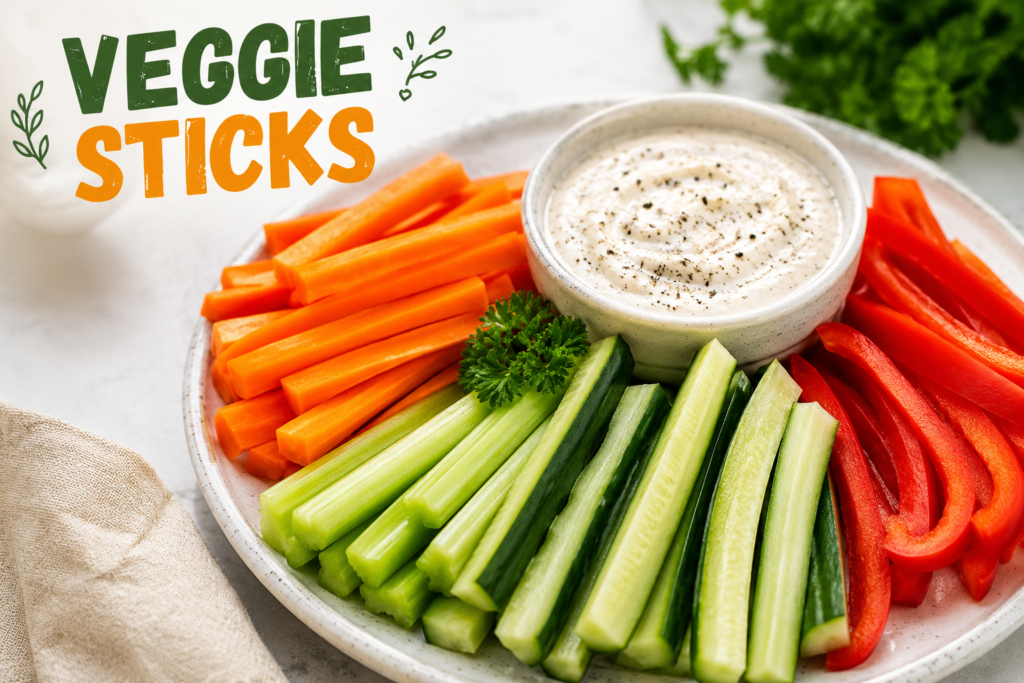
Here’s a general comparison between common snack options.
| Snack | Fiber | Protein | Sodium | Overall Nutrition |
|---|---|---|---|---|
| Fresh carrot sticks | High | Moderate | Very low | Excellent |
| Bell pepper slices | High | Low | Very low | Excellent |
| Cucumber sticks | Moderate | Low | Very low | Excellent |
| Traditional potato chips | Low | Low | High | Limited |
| Veggie snack sticks | Low to moderate | Low | Moderate to high | Depends on brand |
Nutrition varies considerably, so always read the Nutrition Facts label.
How Are They Made?
Manufacturers generally follow a process like this:
- Mix starches and flours.
- Add vegetable powders and seasonings.
- Form the dough into stick shapes.
- Bake or fry until crispy.
- Season with salt or flavored coatings.
- Package for sale.
Some premium brands use more vegetable ingredients and less refined starch, while others rely mostly on potato or corn starch.
Ingredients to Look For
Not every product is created equally.
Better Choices
Look for snacks that include:
- Whole vegetable ingredients near the top of the ingredient list
- Lower sodium
- Minimal additives
- Baked preparation
- Simple ingredient lists
- Whole grain ingredients where available
Ingredients Worth Limiting
You may want fewer products containing:
- Excess sodium
- Artificial flavors
- Hydrogenated oils
- Large amounts of refined starch
- Added sugars in flavored varieties
Homemade Version Is Surprisingly Easy
Making your own vegetable snacks gives you complete control over ingredients.
Vegetables That Work Well
- Sweet potatoes
- Carrots
- Zucchini
- Parsnips
- Beets
- Green beans
- Pumpkin
Basic Method
- Wash and peel if needed.
- Slice into thin sticks.
- Toss with olive oil.
- Season lightly.
- Bake until crisp.
Popular seasonings include:
- Garlic powder
- Paprika
- Black pepper
- Parmesan
- Italian herbs
- Chili powder
Homemade versions typically contain more actual vegetables and less sodium than many packaged snacks.
Best Dips to Serve With Them
Healthy dips can make snack time more satisfying.
Some popular choices include:
- Hummus
- Greek yogurt ranch
- Guacamole
- Salsa
- Tzatziki
- Cottage cheese dip
- White bean dip
These options also add protein and healthy fats.
Are They Good for Weight Loss?
They can fit into a balanced eating plan, but they’re not automatically a weight-loss food.
Keep these tips in mind:
- Watch serving sizes.
- Pair with protein for fullness.
- Don’t assume vegetable branding means low calories.
- Read nutrition labels.
- Choose baked versions when possible.
Replacing chips with a moderate portion of a higher-quality vegetable snack may help reduce overall calorie intake, but whole vegetables remain the most filling option.
Can Kids Eat Them?
Yes, in moderation.
Many children enjoy crunchy textures, making these snacks an easy lunchbox addition.
For better nutrition:
- Pair with cheese cubes
- Add fruit
- Include yogurt
- Serve alongside fresh vegetables
- Limit highly salted varieties
Parents should remember that these snacks do not provide the same nutritional benefits as fresh vegetables.
Store-Bought vs Homemade
| Feature | Store-Bought | Homemade |
|---|---|---|
| Convenience | Excellent | Moderate |
| Cost | Moderate | Often lower |
| Sodium | Usually higher | You control it |
| Ingredients | Varies | Fully controlled |
| Vegetable content | Usually lower | Much higher |
| Freshness | Long shelf life | Best eaten fresh |
Common Myths
Myth 1: They’re the Same as Vegetables
False.
Most contain only small amounts of vegetable ingredients.
Myth 2: Every Brand Is Healthy
False.
Nutrition differs significantly between brands.
Myth 3: Baked Always Means Healthy
Not necessarily.
Baked products can still contain high sodium and refined starches.
Myth 4: They’re Better Than Every Chip
Sometimes.
Some products are an improvement over traditional chips, while others offer only minor nutritional differences.
Smart Shopping Tips
When comparing products, consider:
- Ingredient quality
- Sodium per serving
- Fiber content
- Added sugars
- Serving size
- Type of oil used
- Amount of actual vegetables
Choosing based on nutrition rather than front-package marketing usually leads to a healthier purchase.
Easy Ways to Enjoy Them
These crunchy snacks can be used in several ways:
- Lunch boxes
- Party platters
- Movie nights
- Road trips
- Office snacks
- Picnic baskets
- After-school snacks
Pairing them with protein-rich foods helps create a more balanced snack.
Conclusion
Crunchy vegetable-style snacks can be a convenient alternative to regular chips, but they’re not a substitute for fresh produce. Reading ingredient labels, paying attention to serving sizes, and choosing products made with more whole-food ingredients can make a meaningful difference.
For the best nutrition, enjoy packaged options occasionally while making fresh vegetables the foundation of your daily diet. Homemade versions offer even greater control over ingredients and flavor, making them an excellent choice for families looking for healthier snack options.
FAQs
Are veggie sticks made from real vegetables?
Most contain some vegetable powders or dehydrated vegetables, but many are primarily made from potato starch, corn starch, or rice flour.
Are they healthier than potato chips?
Some varieties contain less fat or fewer calories than traditional chips, but nutrition varies by brand. Always compare nutrition labels before buying.
Can I eat them every day?
Occasional servings can fit into a balanced diet, but whole vegetables provide more fiber, vitamins, and minerals for everyday nutrition.
Are homemade versions healthier?
Generally yes. Homemade snacks usually contain more vegetables, less sodium, and fewer processed ingredients.
Are they gluten-free?
Many are, but not all. Always check the package if you have gluten intolerance or celiac disease.
What’s the healthiest way to enjoy them?
Pair them with hummus, Greek yogurt dip, or fresh vegetables for a snack that provides better balance and greater satiety.
For more updates visit: Hiding Me