
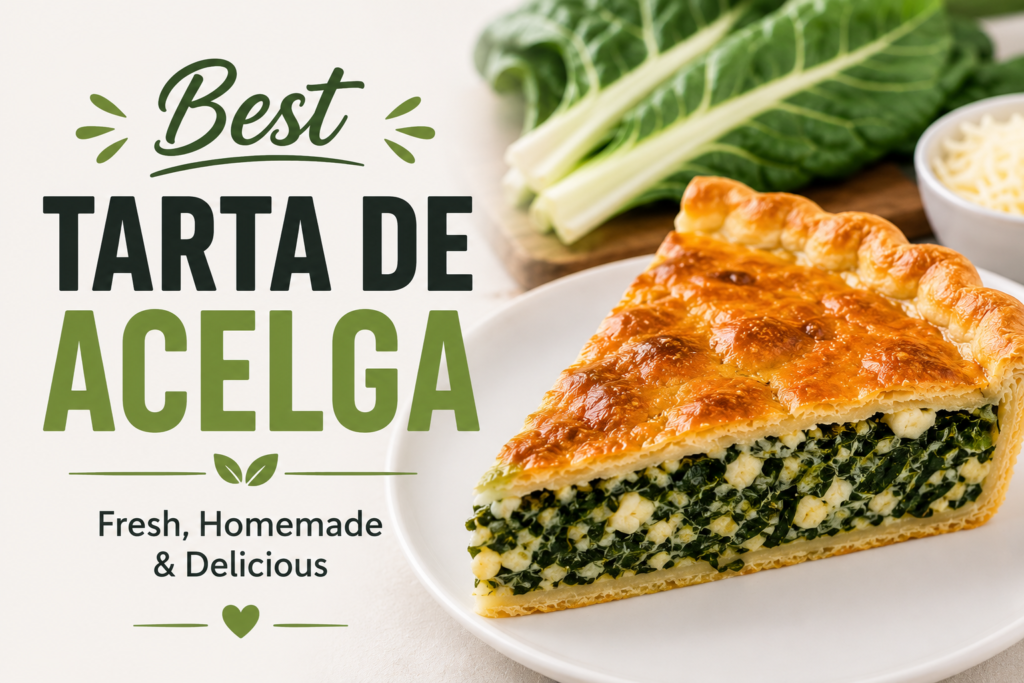
Fresh tarta de acelga with a golden pastry crust.
A good tarta de acelga should not taste like a pile of vegetables hidden inside pastry. The best versions balance a crisp, golden crust with a moist Swiss chard filling, gentle seasoning, and enough cheese or egg to hold everything together.
When searching for the best tarta de acelga near me, the difficult part is not finding a bakery with vegetable pies. It is identifying which place makes the tart fresh, uses acelga rather than relying entirely on spinach, and serves a filling that is flavourful without being watery.
This guide explains where to search, what to look for, how to read local reviews, and how to tell whether a tarta de acelga is worth ordering.
What Is Tarta de Acelga?
Tarta de acelga is a savoury pie made with Swiss chard, pastry and ingredients such as onion, egg, cheese, garlic, herbs or spices. Depending on the recipe, it may have pastry on both the top and bottom or an open top.
It is especially familiar in Argentine and other South American kitchens. A similar preparation is often called tarta pascualina or simply pascualina. Pascualina may be made with acelga, spinach or a combination of leafy greens, while traditional variations often contain whole or carefully positioned eggs inside the filling.
Recipes are not identical. Some versions are light and vegetable-forward, while others include mozzarella, Parmesan, cream cheese, white sauce or mustard. This variation means two restaurants can sell dishes with the same name but offer noticeably different flavours and textures.
What Makes a Tarta de Acelga Truly Good?
The ideal tart depends partly on personal preference. However, several qualities usually separate an excellent slice from an average one.
A Crisp, Properly Baked Crust
The pastry should be cooked through, including the base. A pale or soft bottom can mean that excess liquid from the chard soaked into the dough.
A good crust may be thin and flaky or slightly thicker and more rustic. Either style can work, provided it complements the filling and does not feel heavy or greasy.
A Moist but Not Watery Filling
Swiss chard naturally contains moisture. A skilled cook drains or cooks it properly before assembling the tart.
The filling should remain soft and pleasant, but liquid should not run onto the plate when the slice is cut. Too much moisture can weaken the pastry and dilute the seasoning.
Balanced Seasoning
Acelga has an earthy, mildly bitter character. Onion, garlic, nutmeg, pepper, cheese and herbs can make it more rounded and satisfying.
Strong mustard, excessive salt or too much cheese may cover the flavour of the vegetable. One recipe source specifically warns that an overly strong mustard can overpower the remaining ingredients.
A Generous Filling-to-Crust Ratio
A thin layer of greens between two thick sheets of dough rarely feels satisfying. Look for photographs showing a full, well-packed centre.
The filling should hold its shape while remaining tender. Egg, cheese, flour, breadcrumbs or a light sauce may be used as binders, depending on the recipe.
Fresh Preparation
A freshly baked tart normally offers better pastry texture and a brighter filling than one that has been stored for several days.
That does not mean reheated tarta is automatically poor. Many well-made versions reheat successfully. The important question is whether the restaurant stores and warms each portion carefully.
Where to Search for Tarta de Acelga Nearby
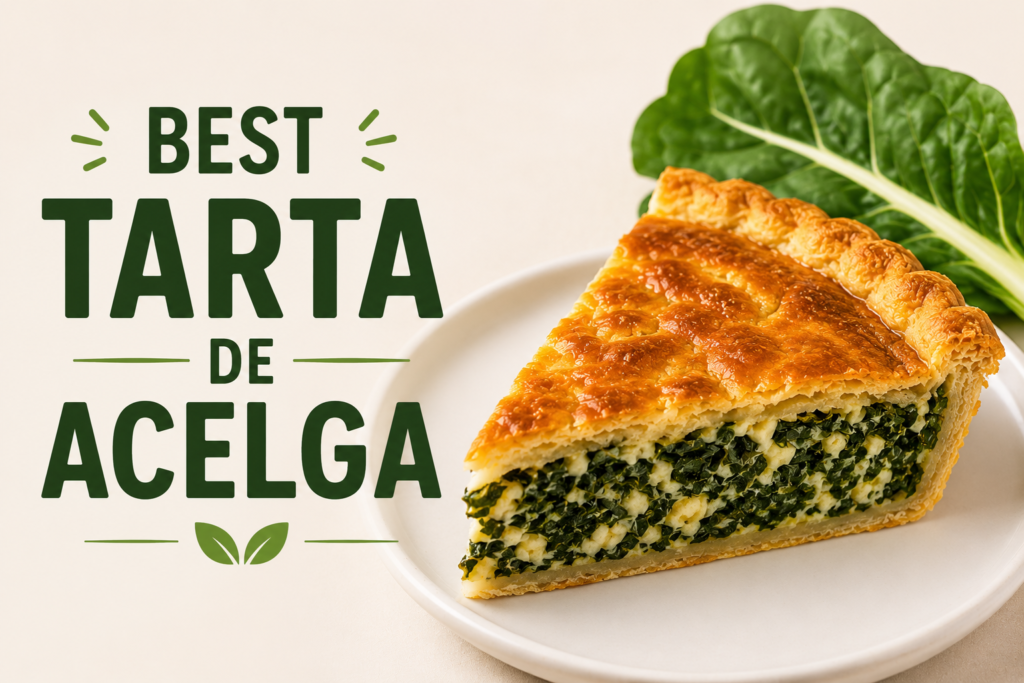
Local availability varies greatly. Tarta de acelga may appear in places that do not describe themselves as restaurants, so searching only conventional dining listings can limit your options.
| Place to search | What you may find | What to check |
|---|---|---|
| Argentine bakeries | Traditional tartas and pascualina | Daily availability and slice size |
| Latin American cafés | Individual slices or lunch combinations | Whether acelga or spinach is used |
| Empanada shops | Tartas sold beside empanadas | Freshness and reheating method |
| Delicatessens | Whole pies and takeaway portions | Preparation date and storage |
| Home-based kitchens | Fresh, made-to-order tarts | Pickup rules and customer feedback |
| Delivery applications | Restaurants currently delivering | Fees, distance and recent reviews |
| Vegetarian cafés | Vegetable-forward adaptations | Pastry type and added cheese |
| Local markets | Homemade or small-batch pies | Ingredients and serving temperature |
Try searching for both Spanish and English terms. Useful variations include:
- Tarta de acelga
- Pascualina near me
- Argentine Swiss chard pie
- Vegetable tart nearby
- Argentine bakery near me
- Tarta salada de acelga
- Homemade pascualina
- Tarta de verdura
Menus may list the dish as tarta de verdura without naming the exact green. Contact the business before travelling when the menu description is unclear.
How to Use Local Search Results More Effectively
Typing the keyword into a search engine is only the first step. Local results can include old menus, unavailable dishes and reviews written before a business changed ownership.
Add Your City or Neighbourhood
Replace the automatic “near me” phrase with a specific area, such as:
- Tarta de acelga in Miami
- Pascualina Queens New York
- Argentine bakery in North London
- Tarta de verdura downtown
- Swiss chard pie delivery in my postcode
A neighbourhood name can produce more focused results than a large city name.
Check the Most Recent Menu
A restaurant may rank for an old menu page even though it no longer offers the dish. Look for a recently updated menu, current social post or delivery listing.
When there is no date, call or message the business and ask:
- Is tarta de acelga available today?
- Is it sold by the slice or as a whole tart?
- Does the filling contain acelga, spinach or both?
- Is it prepared on-site?
- Can it be ordered for pickup or delivery?
Search Recent Photos
Customer photos can reveal information that polished menu images hide. Look at the thickness of the filling, colour of the pastry and condition of the base.
A dark green filling is not necessarily better than a lighter one. Lighting, cheese and egg can all affect its appearance. Focus on whether the filling looks evenly distributed and the pastry appears properly baked.
How to Read Reviews Without Being Misled
A high overall rating does not prove that a particular dish is good. A restaurant may receive excellent reviews for empanadas, coffee or desserts while its tarta receives little attention.
Search within the reviews for words such as:
- Acelga
- Pascualina
- Tarta
- Vegetable pie
- Spinach pie
- Fresh
- Soggy
- Homemade
- Crust
Give more weight to reviews that describe the actual food. “Amazing place” is less informative than a comment explaining that the crust was crisp, the filling was well seasoned and the slice arrived warm.
Recent reviews are usually more useful because cooks, recipes, prices and portion sizes can change. One negative review should not automatically eliminate a restaurant, but repeated comments about soggy pastry or stale slices deserve attention.
Questions to Ask Before Ordering
A short conversation can prevent disappointment, especially when ordering an entire tart.
Is It Made with Acelga or Spinach?
Acelga means Swiss chard. Some businesses use spinach as a substitute, while others combine the two. Pascualina recipes can legitimately use either green, but customers searching specifically for acelga may want confirmation.
Does It Contain Cheese?
Cheese can range from a small amount of Parmesan to a rich mozzarella or cream cheese mixture. Ask about the ingredients when you prefer a lighter tart or need to avoid dairy.
Are There Whole Eggs Inside?
Some pascualina-style pies contain eggs inside the filling, while simpler tarta de acelga recipes mix beaten egg throughout. Ask if this matters to you.
Is the Pastry Homemade?
Homemade pastry can be excellent, but high-quality prepared dough can also produce a good tart. The result matters more than the label.
A better question is whether the tart is baked at the business or supplied frozen by another producer.
When Was It Baked?
For a single slice, ask whether it was baked that day. For a whole tart, ask whether the kitchen can prepare one to order.
Choosing Between Traditional and Modern Versions
There is no single correct version. The better choice is the one that matches your preferred texture and flavour.
Traditional-Style Tarta
A traditional or homestyle version commonly includes chard, onion, egg and simple seasonings. It may include cheese but usually keeps the greens as the main flavour.
Choose this style when you want a balanced lunch that feels homemade.
Creamy Tarta
Creamy versions may include milk, white sauce, soft cheese, mozzarella or Parmesan. Published recipes show how dairy ingredients can be used to create a softer, richer centre.
Choose this style when you prefer a mild, comforting filling.
Open-Faced Tarta
An open tart uses only a bottom crust. It can feel lighter and places more attention on the filling.
It may also reheat more evenly because there is no top pastry layer to soften.
Vegan or Dairy-Free Tarta
Some modern cafés replace eggs and cheese with plant-based binders. Check the full ingredient list rather than assuming that every vegetable tart is vegan.
The pastry itself may contain butter, egg or other animal-derived ingredients.
Pickup, Delivery or Dining In?
Dining in offers the best chance of receiving a crisp, freshly warmed slice. However, pickup can be equally good when the tart is packaged properly.
Delivery is convenient but creates two risks: steam can soften the pastry, and long travel times can affect temperature.
For delivery:
- Choose a nearby seller.
- Avoid ordering during extremely busy periods when possible.
- Request unsliced whole tarts for group meals.
- Reheat the tart in an oven or air fryer rather than a microwave when suitable.
- Keep sauces and wet salads in separate containers.
Follow the restaurant’s food-storage guidance, particularly when the filling contains egg or dairy.
What Should You Order with It?
Tarta de acelga can work as a light meal, side dish or takeaway snack. It is commonly enjoyable warm or at room temperature, depending on the recipe and serving style.
Simple accompaniments include:
- Tomato and onion salad
- Mixed green salad
- Roasted vegetables
- Soup
- Fresh bread
- Chimichurri or a mild herb sauce
- Coffee or tea for a bakery-style lunch
Avoid adding too many heavy sides when ordering a cheese-rich tart. A fresh salad often provides a better contrast.
Red Flags to Watch For
Not every attractive menu photograph represents the product currently being sold.
Be cautious when:
- The business cannot explain what greens are in the filling.
- Reviews repeatedly mention wet or raw pastry.
- Menu photographs are copied across unrelated restaurants.
- The listing has no recent activity or current opening hours.
- A “fresh” tart arrives partly frozen.
- The seller refuses to provide allergen information.
- The price is unusually low but the portion or ingredients are unclear.
These points do not automatically prove poor quality. They simply justify checking before ordering.
Conclusion
Finding the best tarta de acelga near me requires more than choosing the first local result. Search for Argentine bakeries, Latin American cafés, delis and home kitchens, then compare recent photographs, dish-specific reviews and live menu information.
The strongest choice will usually offer a properly baked crust, a generous chard filling, balanced seasoning and clear ingredient information. Because local menus change, confirm availability directly before making a special journey.
FAQs
Is tarta de acelga the same as pascualina?
The names are sometimes used interchangeably, but they are not always identical. Pascualina is a specific style of savoury green pie that may contain Swiss chard or spinach and often includes eggs. Tarta de acelga is a broader description for a tart whose main filling is Swiss chard.
What does tarta de acelga taste like?
It normally has a mildly earthy vegetable flavour balanced by onion, seasoning, egg and sometimes cheese. Its taste can range from light and savoury to rich and creamy, depending on the recipe.
Can I order it as a whole pie?
Many bakeries, delis and home-based cooks sell both individual slices and whole tartas. Whole pies may require advance ordering, particularly when the dish is not prepared every day.
Is tarta de acelga vegetarian?
Many versions are vegetarian because they contain vegetables, eggs and cheese. However, recipes vary. Ask whether the pastry, seasoning or filling includes meat products when dietary restrictions apply.
Is tarta de acelga gluten-free?
Traditional pastry normally contains wheat flour, so it is not usually gluten-free. Some specialist bakeries offer gluten-free dough, but cross-contact may still be possible. Confirm directly with the seller.
How can I find the best tarta de acelga near me?
Search several terms, including “pascualina,” “Argentine bakery” and “tarta de verdura.” Compare recent dish photographs and reviews, confirm the ingredients, and call the business to check whether it was baked that day.
For more updates visit: Hiding Me